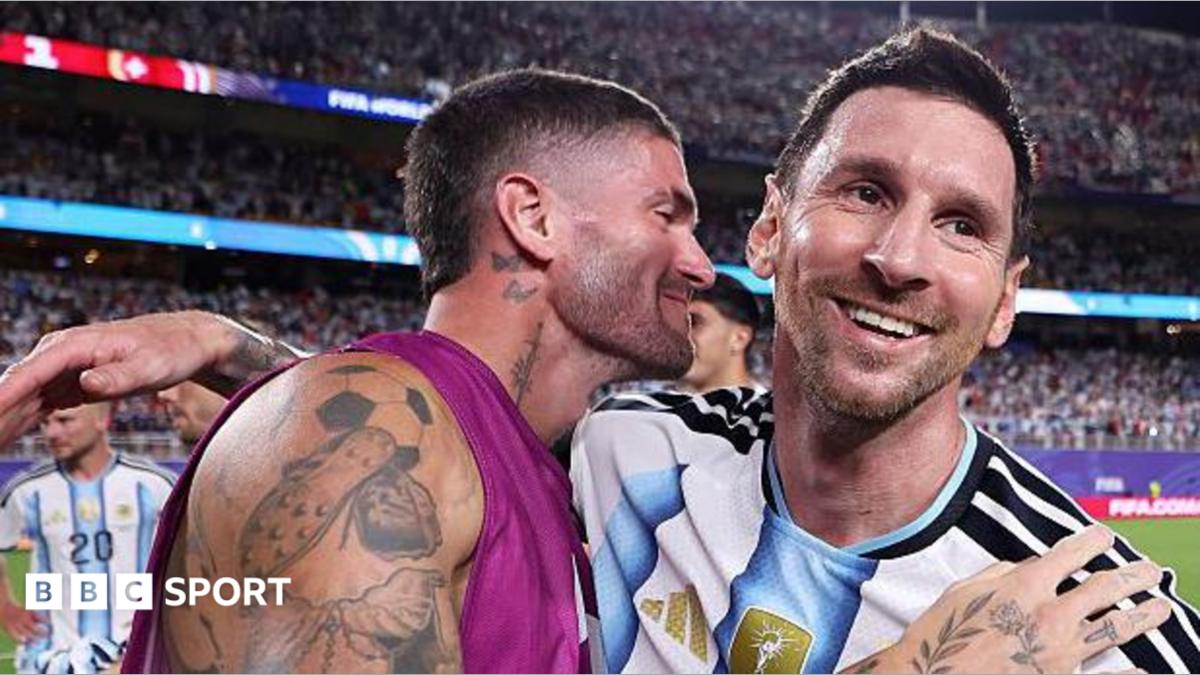
His tears this time came from relief. Not from escaping defeat against Egypt, but relief that he hadn’t let his team-mates down after missing a penalty that, for a while, threatened to end Argentina’s tournament. For Messi, the emotions arrive tangled together right now: relief, pressure, family, the crowd, team-mates who love him and want more than anything to see him win again.
Somewhere in the middle of that rollercoaster, though, there is also enormous happiness for a man who has finally found the perfect context — a football team built to his measure. Argentina manager Lionel Scaloni perhaps put it best ahead of the Switzerland quarter-final. “The best moments of all, by far, are celebrations of the group. I coach for this, not because I like a 4-3-3,” he said. “I like drinking mate with my friends and players, sharing a barbecue, playing truco, as we have always done.”
This Argentina squad is built around the 39-year-old, giving him the best possible chance of winning a second successive World Cup. In stretching his career out for more of these moments, Messi has become something close to the young man who left Rosario — deeply Argentine, surrounded by team-mates, having rediscovered under Scaloni the pleasure of competing alongside people who think like him.
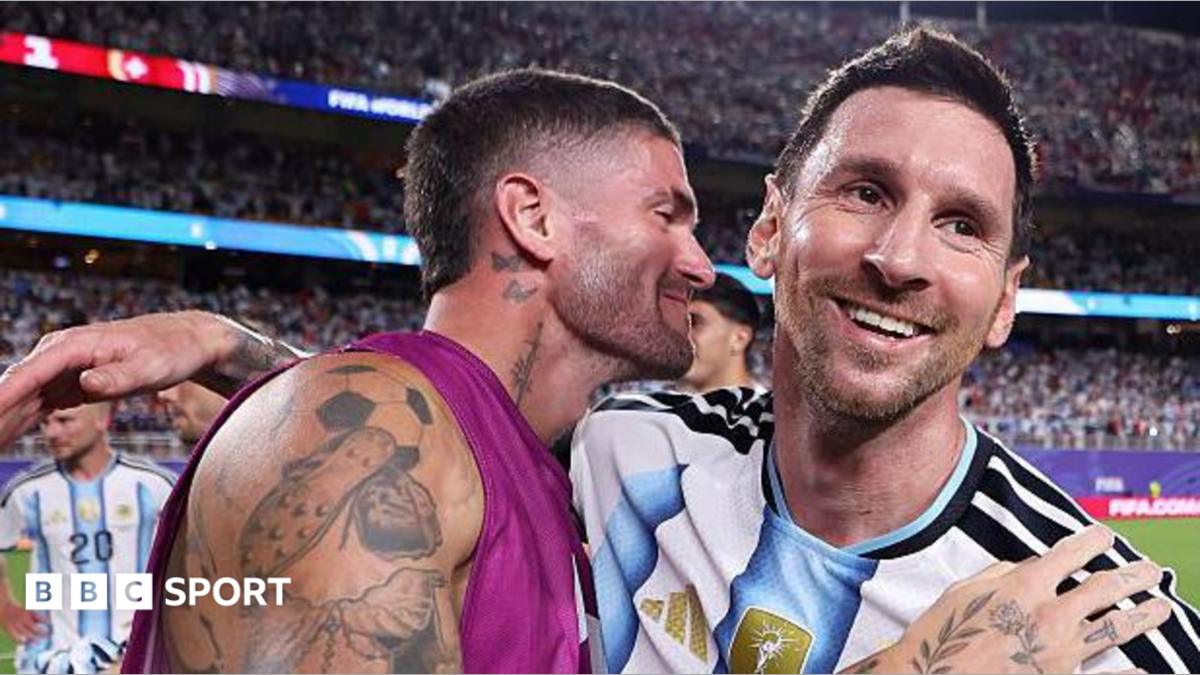
Central to that environment is Rodrigo De Paul, who has become what Jose Manuel Pinto once was at Barcelona, or what Luis Suarez later became: the team-mate with whom Messi instantly feels at home. Their bond was forged on international duty. Before that, De Paul’s only connection to Messi had been asking for a photo after a Valencia–Barcelona match, which he proudly posted on social media. The friendship truly began one afternoon when De Paul noticed Messi leave training alone, looking subdued. Concerned, he waited around 40 minutes before knocking on his door.
Since then, their friendship has developed its own strict etiquette. Every morning, mate is shared in De Paul’s room — Leo arrives first, then other squad members follow in order. Nobody jumps the routine. De Paul sometimes calls Messi ‘El Pequeno’ — the little one — despite him being the oldest in the room, needling him and treating him like a normal person rather than a monument. That, more often than not, is exactly what Messi wants: to be Leo, not Messi. De Paul knows him well enough to sense when to leave him alone, too.
Image credit: BBC Sport / BBC Sport
