A single comment was enough to ignite a storm of reactions across the media landscape.
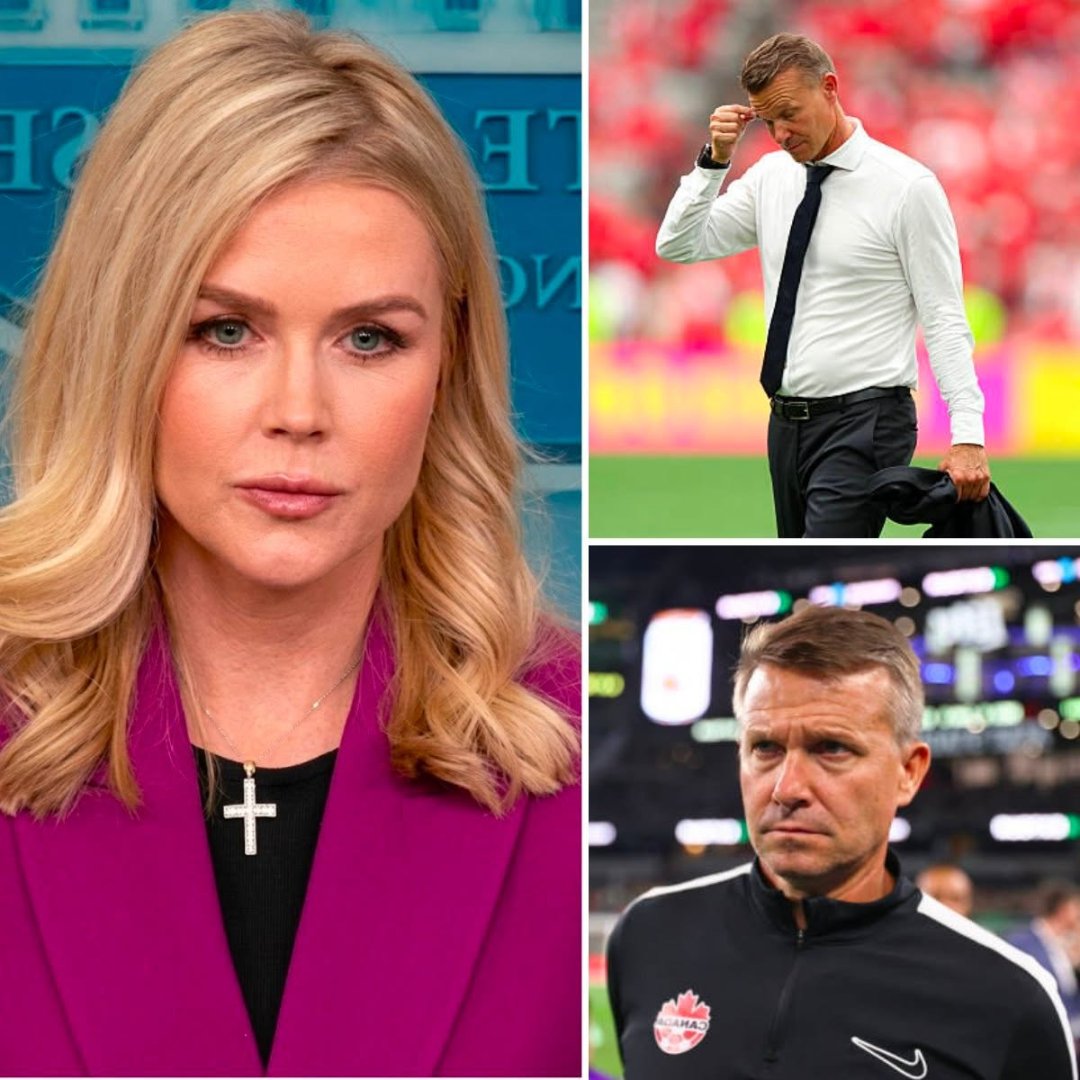
After Karoline Leavitt made a controversial remark about Jesse Marsch, the football world and social media platforms erupted with debate over respect, leadership, and the way public figures speak about one another.
The controversy began after Leavitt reportedly reacted to praise from the U.S. President, who had described Marsch as “a true football leader with extraordinary determination.” The recognition of Marsch’s career and influence quickly became a topic of discussion, but attention soon shifted toward the criticism that followed.
According to the circulating remarks, Leavitt questioned Marsch’s status and achievements, sparking immediate backlash from many who felt the comments dismissed years of work and dedication in football.
The reaction was instant.
Within hours, the discussion moved beyond sports. Fans, analysts, and observers from around the world began debating whether respect in leadership should be measured by nationality, popularity, or by the commitment and results achieved throughout a career.
Then came the moment that changed the conversation.
Only minutes after the remarks spread widely online, Jesse Marsch responded.
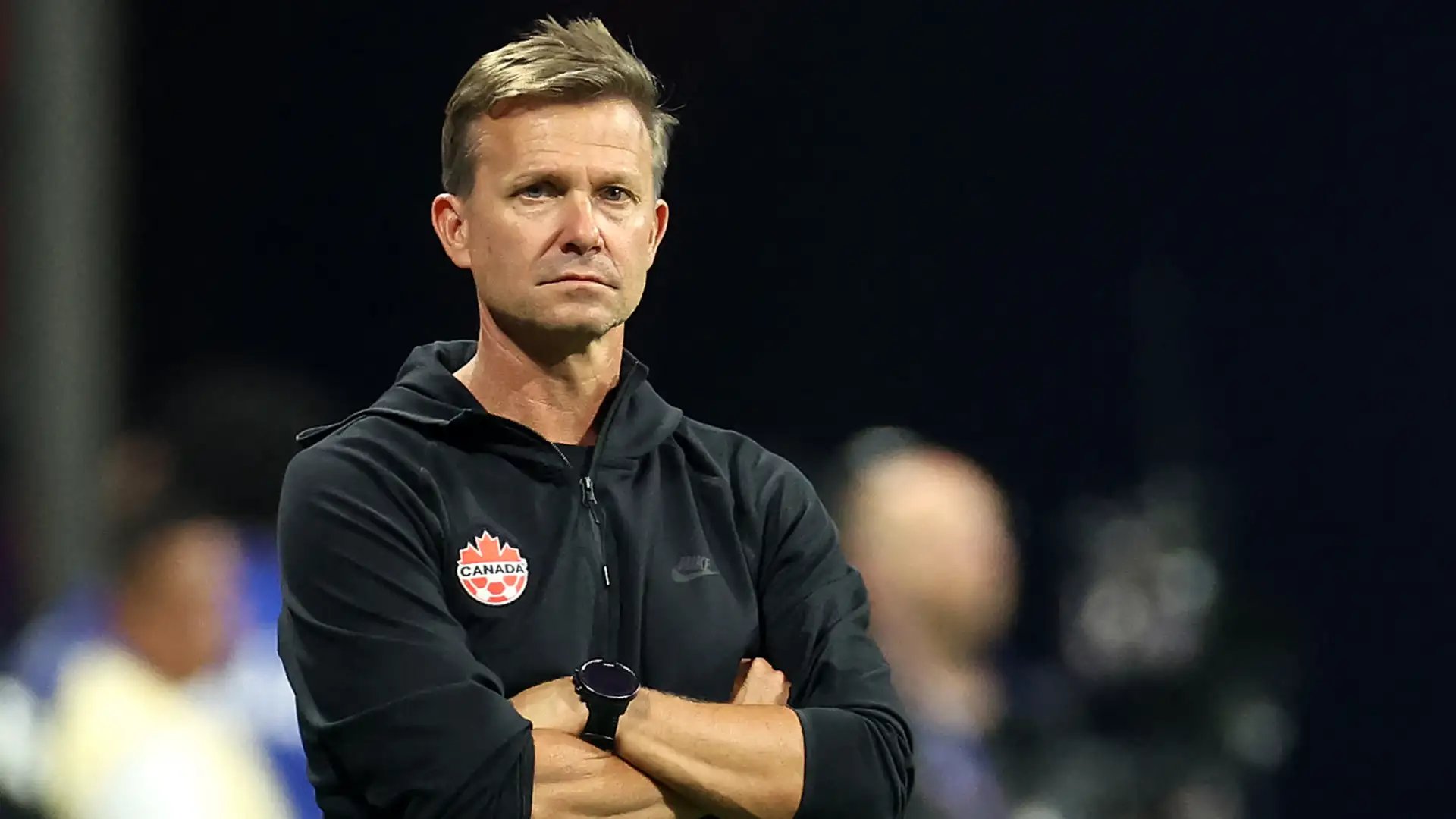
Instead of engaging in a heated argument or returning criticism with criticism, Marsch delivered a short and composed message. Just 12 words — but enough to capture global attention.
His response quickly circulated across social media, with thousands of people sharing and commenting on his calm approach.
Many supporters praised the way Marsch handled the situation, arguing that his reaction demonstrated the same qualities often associated with strong leadership: discipline, confidence, and emotional control.
For his supporters, the response was powerful because it did not rely on anger. It focused instead on maintaining dignity in the face of criticism.
The incident also renewed conversations about Marsch’s journey in football. From coaching roles in different leagues to leading teams on the international stage, Marsch has built a reputation through years of dedication, tactical work, and a commitment to developing players.
Those defending him pointed to his achievements and experience, arguing that success should be evaluated through effort and impact rather than dismissed through a simple judgment.
Meanwhile, the controversy continued to grow online, with many users expressing disappointment over Leavitt’s comments and calling for more respect toward figures who have dedicated their careers to sport.
The debate quickly became larger than one coach or one statement.

It became a discussion about how public figures communicate, how leaders respond under pressure, and why moments of disagreement often reveal character.
Jesse Marsch’s brief reply became the defining moment of the story — not because it was long or aggressive, but because of its restraint.
In an era where online conflicts often escalate within seconds, his decision to answer with calmness stood out.
The controversy may continue to generate discussion, but one thing became clear: Marsch’s response transformed a moment of criticism into a global conversation about professionalism, respect, and leadership.
Sometimes, the strongest statement is not the loudest one.
Sometimes, a few carefully chosen words are enough.
