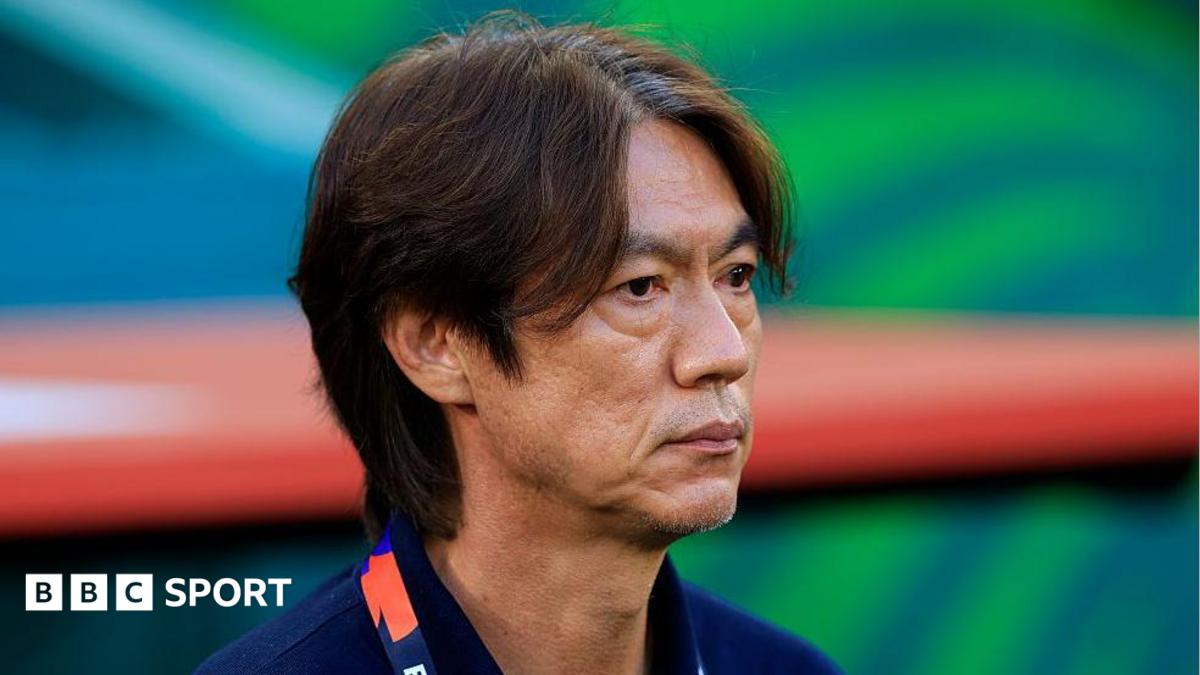
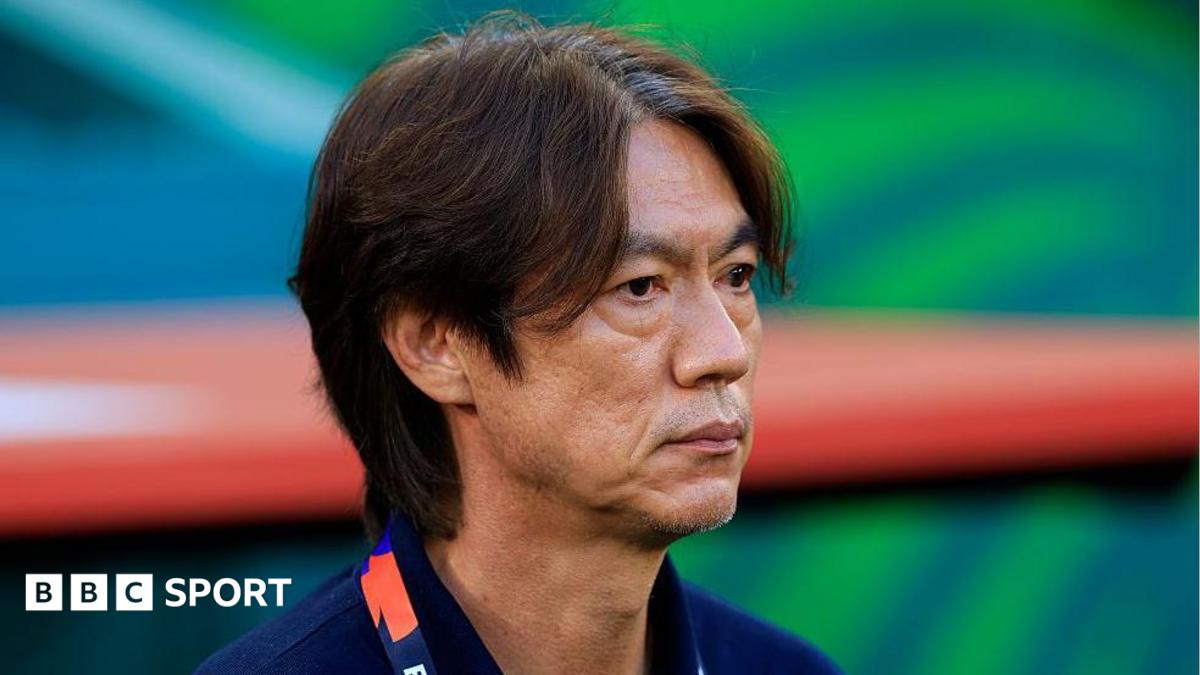
South Korea’s early exit from the World Cup has triggered a full-blown crisis stretching from the training camp to the presidential office. Head coach Hong Myung-bo, who captained the 2002 side to the semi-finals, has faced reported death threats in the aftermath, with the locations of player and staff arrivals back to South Korea kept secret. Former Manchester United star Park Ji-sung captured the national mood, saying: “It is miserable that we’ve come to this moment where we have to look back and ask why we ended up here.”
The anger has deep roots. South Korea opened with a promising 2-1 win over the Czech Republic but then lost 1-0 to Mexico, leaving them needing at least a point against South Africa to secure second place in Group A. Hong left captain Son Heung-min on the bench and the team slumped to defeat. Former Tottenham Hotspur defender Lee Young-pyo branded it on television as “the worst match by a Korean football team in the 21st century”. After the final whistle, a reporter asked Hong whether a food poisoning outbreak might explain the performance, such was the scale of the collapse. The squad — which also featured Lee Kang-in of Paris St-Germain and Bayern Munich’s Kim Min-jae — then had to wait more than three days to find out whether they would survive as one of the best third-placed finishers.
The camp had already been unsettled before a ball was kicked. In June, media personnel were caught on camera mocking Son’s military record. The forward earned exemption from South Korea’s 21-month mandatory military service by being part of the squad that won gold at the 2018 Asian Games. In protest, players boycotted domestic media duties for several days. Son, who turns 34 in July, may now walk away from international football altogether. A planned welcome ceremony at Incheon International Airport was cancelled, though the captain and players have largely been shielded from public anger, with scrutiny instead falling on those who govern the sport.
That scrutiny reached the very top of South Korean public life. President Lee Jae-myung posted a statement on social media describing his “utter bewilderment at the unexpected outcome” and stating that the early exit “appears to be a failure of organisation and personnel”. He added: “When favouritism and cronyism take precedence over competence in selecting a commander, the result is as predictable as fire burning paper.” The statement pointed squarely at Korea Football Association president Chung Mong-gyu, who has held the role since 2013 and was criticised for bypassing normal hiring procedures to appoint Hong in July 2024 — just as he had done when appointing Jurgen Klinsmann before him.
The backlash against Chung is not new. Hong was booed in his first match in charge against Palestine in Seoul in September 2024, and the Ministry of Sports launched an investigation into the KFA, recommending the suspension of Chung and other officials in November 2024. The KFA secured a court injunction that allowed Chung to contest and win a fourth term in February 2025. Chung, a member of the family that owns Hyundai — a conglomerate with deep ties to the KFA — announced in May that he would step down after the World Cup. “I am well aware that there have been various controversies and criticisms during my tenure,” he said. “I believe all of this is due to my own shortcomings.”
Image credit: BBC Sport / BBC Sport
