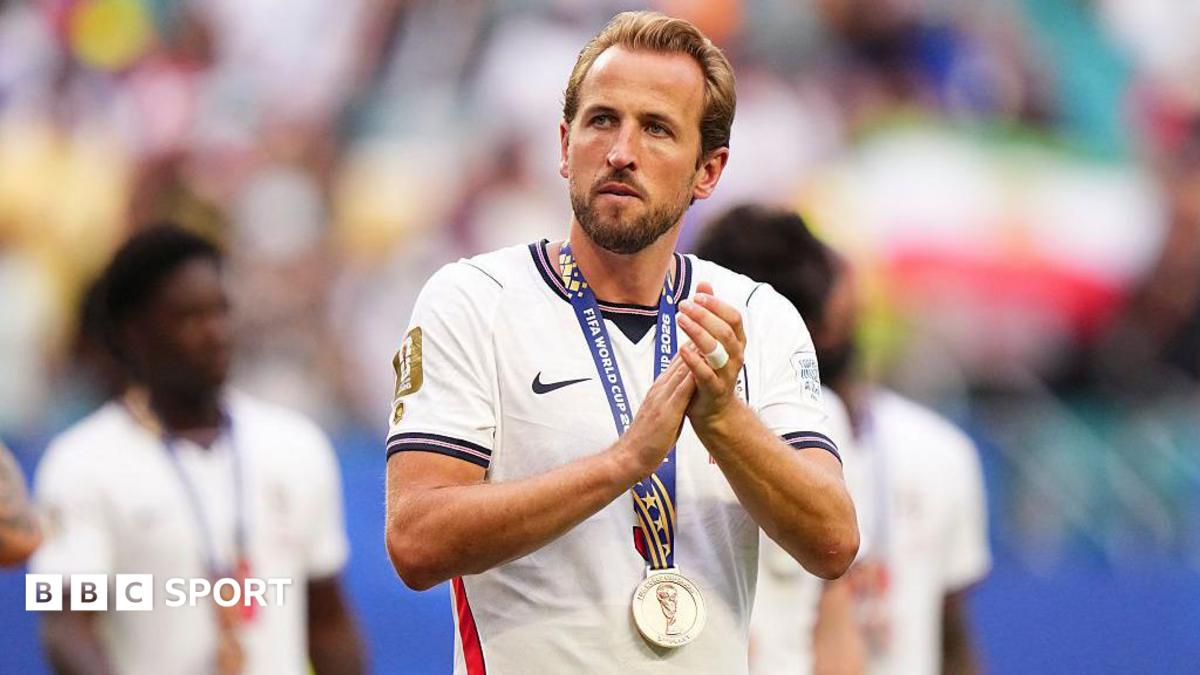
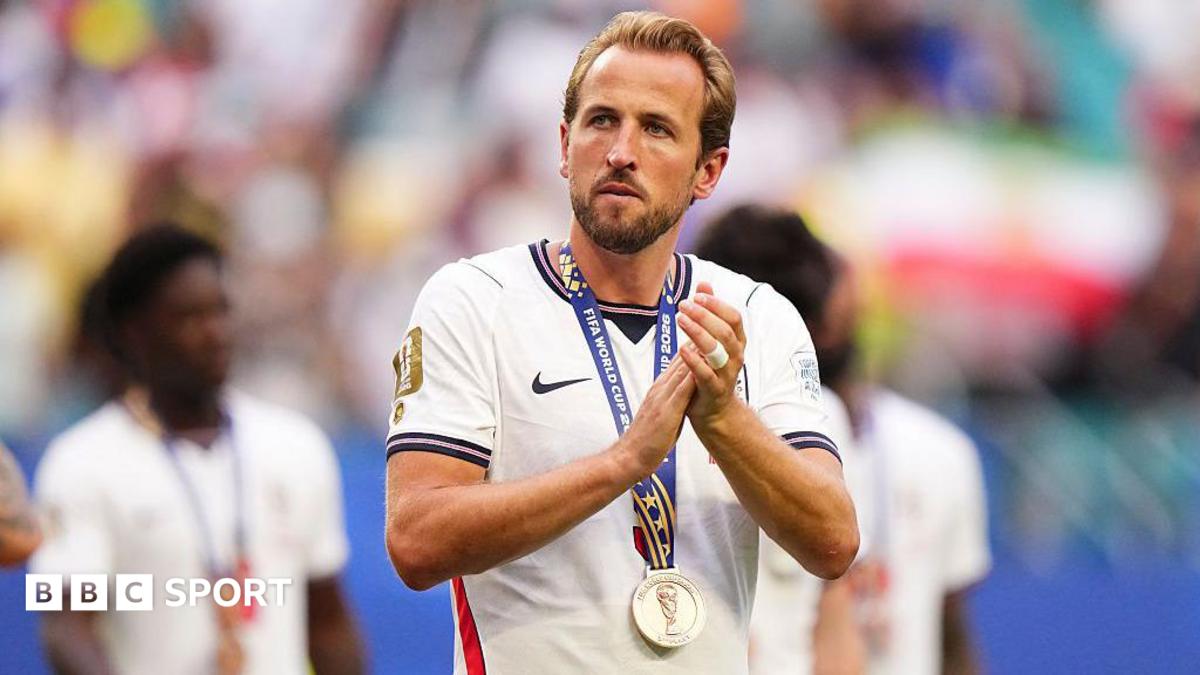
England ended the tournament ranked fourth in the world with a third-place finish, reaching the semi-finals for just the third time since their 1966 World Cup triumph on home soil. Yet despite matching their second-best ever World Cup performance, the mood surrounding the Three Lions is far from celebratory.
Head coach Thomas Tuchel was appointed with the specific aim of breaking down the barriers that have repeatedly stopped England at major tournaments. Instead, a semi-final exit to Argentina felt like the same old story, with criticism aimed squarely at the passive strategy Tuchel deployed on the night. That tactical approach is widely seen as a key factor in England’s own downfall, adding an extra layer of bitterness to what was already a painful defeat.
The fallout within the camp has been significant. Speaking at half-time during the third-place play-off against France, assistant manager Anthony Barry did not hide the emotional toll on the squad. “They’re playing a game with broken hearts. I see 11 lads on the field with broken hearts,” Barry said. Tuchel had spoken frequently throughout the tournament about the “brotherhood” within the group, and those bonds have been tested heavily in the aftermath of the Argentina loss.
There are also reported tensions over Tuchel’s decision-making during the closing stages of the semi-final. Certain players in the camp viewed his substitutions and tactical switches as too defensive, and the matter has been a topic of private discussion among members of the squad in the days since.
Ultimately, whatever the historical context of the result, this World Cup will be remembered as a disappointment. The belief inside the England camp was genuine — that this was their time — and to have a place in the final taken away in that manner is something the players and staff will take time to come to terms with.
Image credit: BBC Sport / BBC Sport
